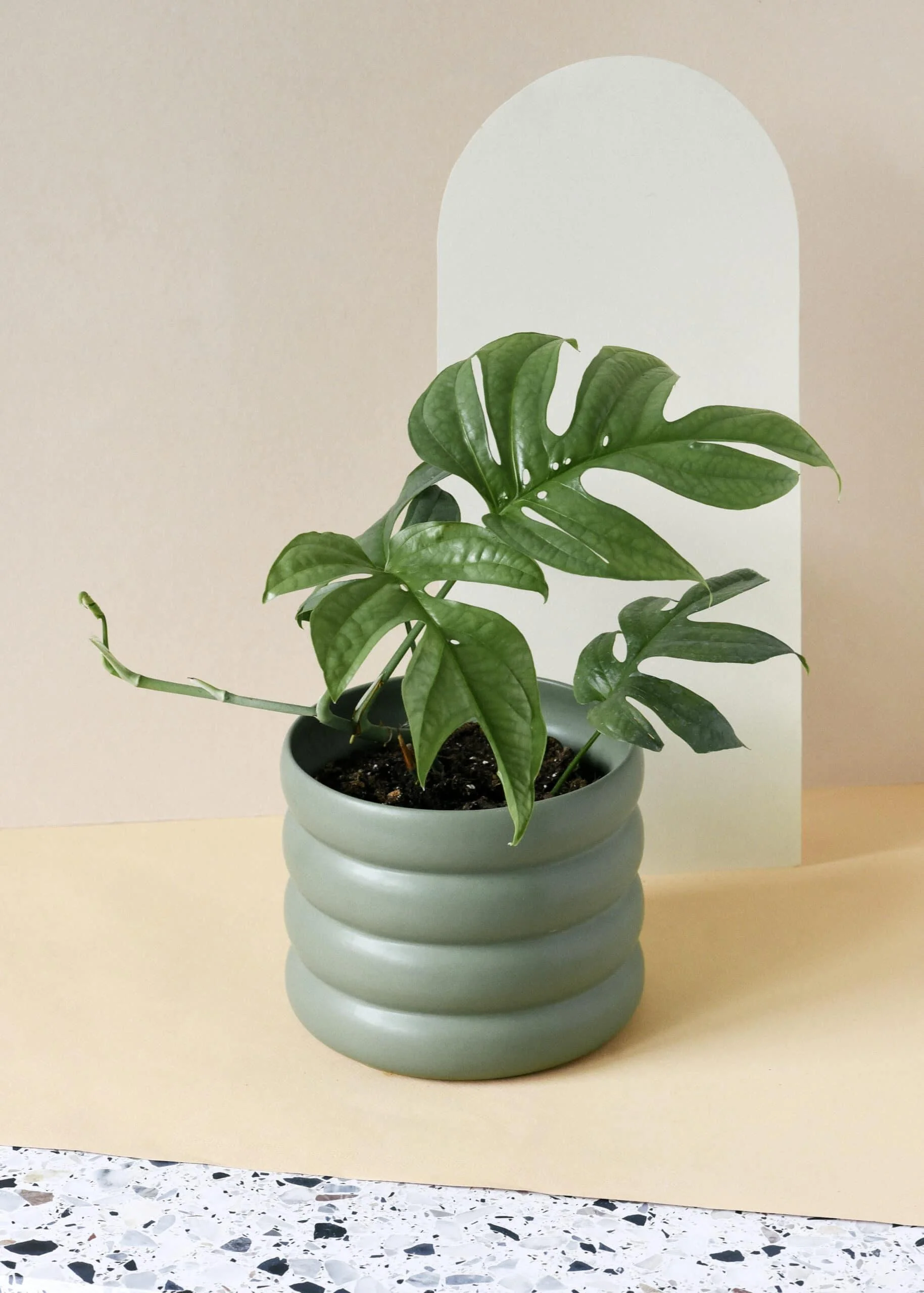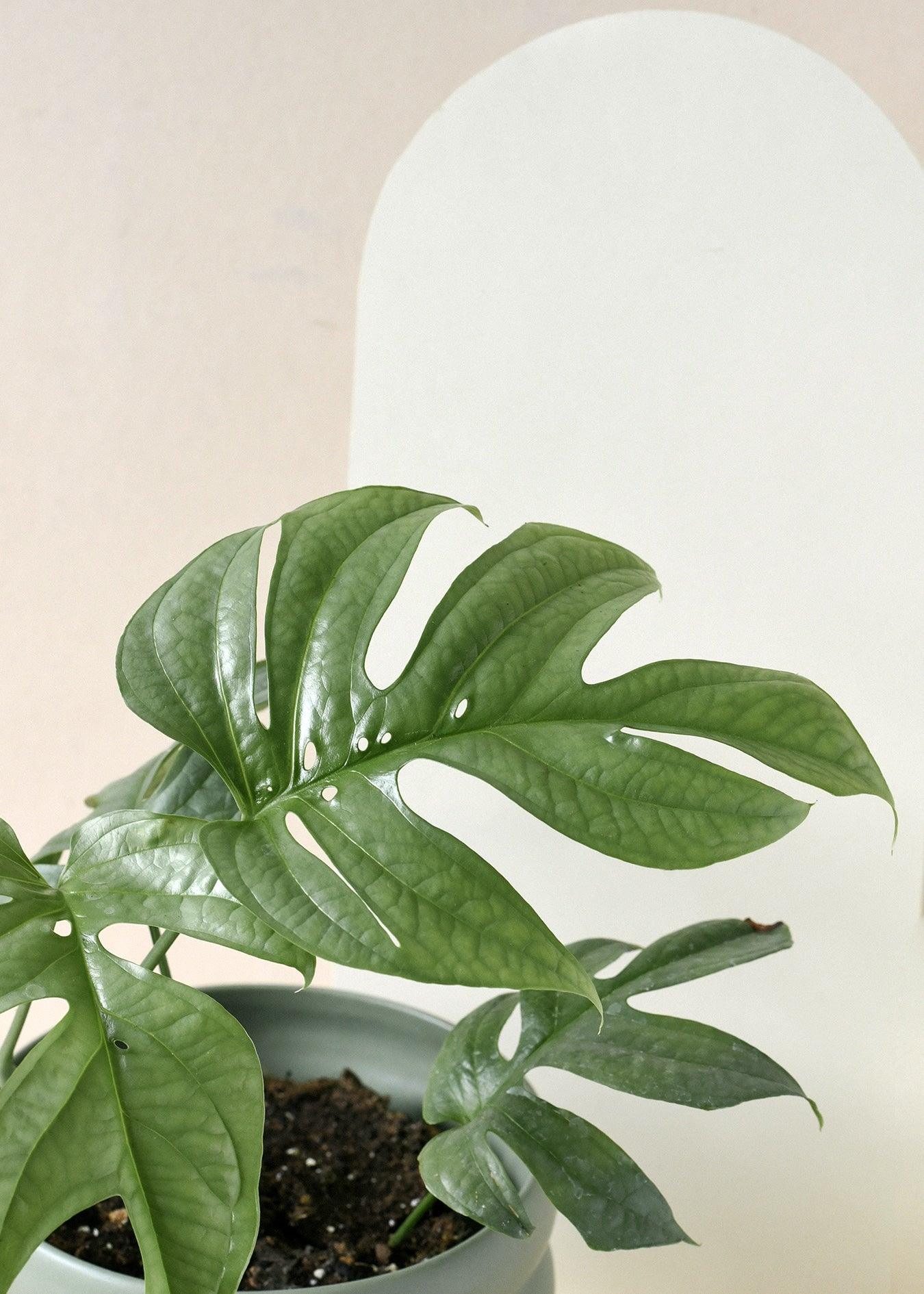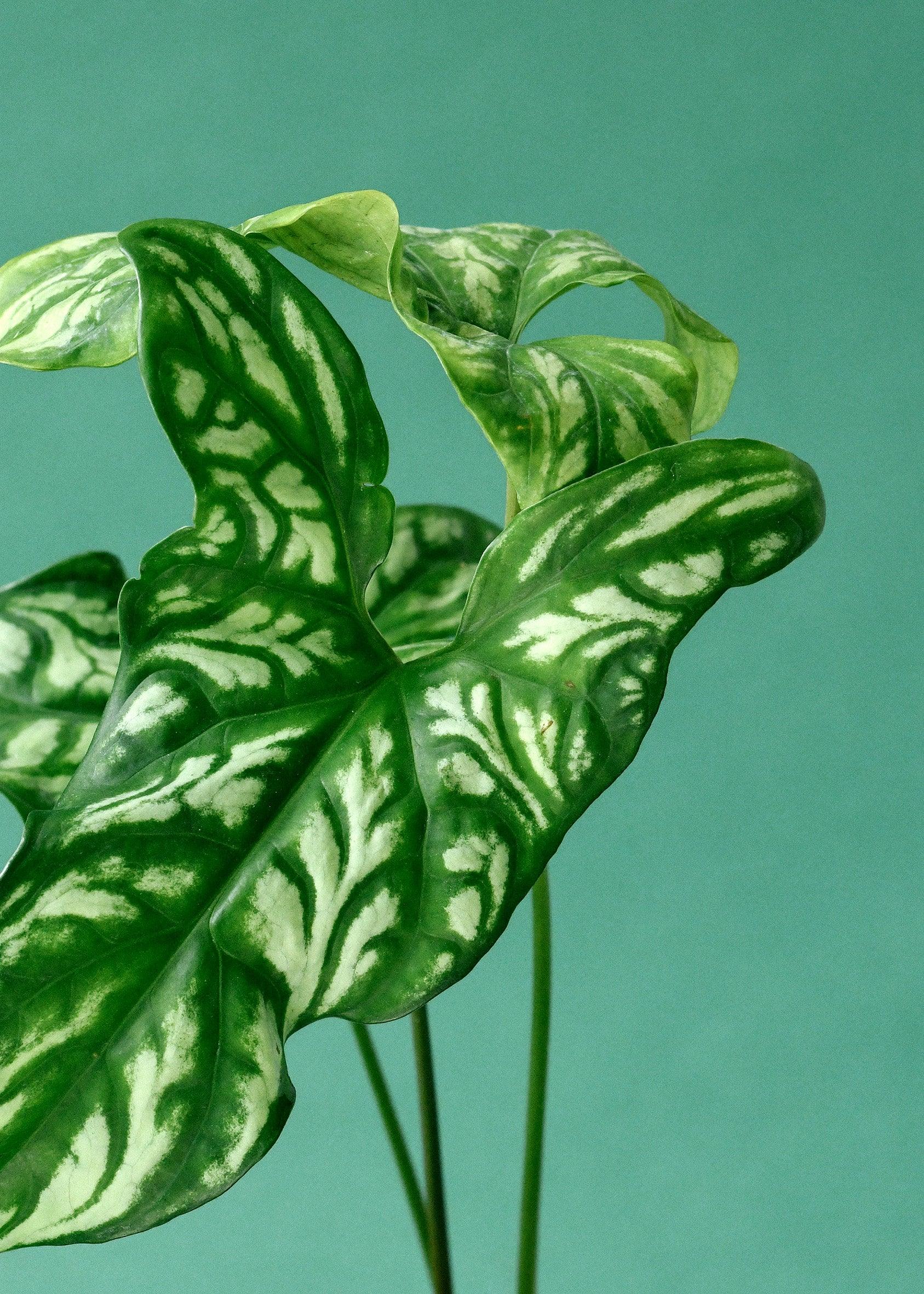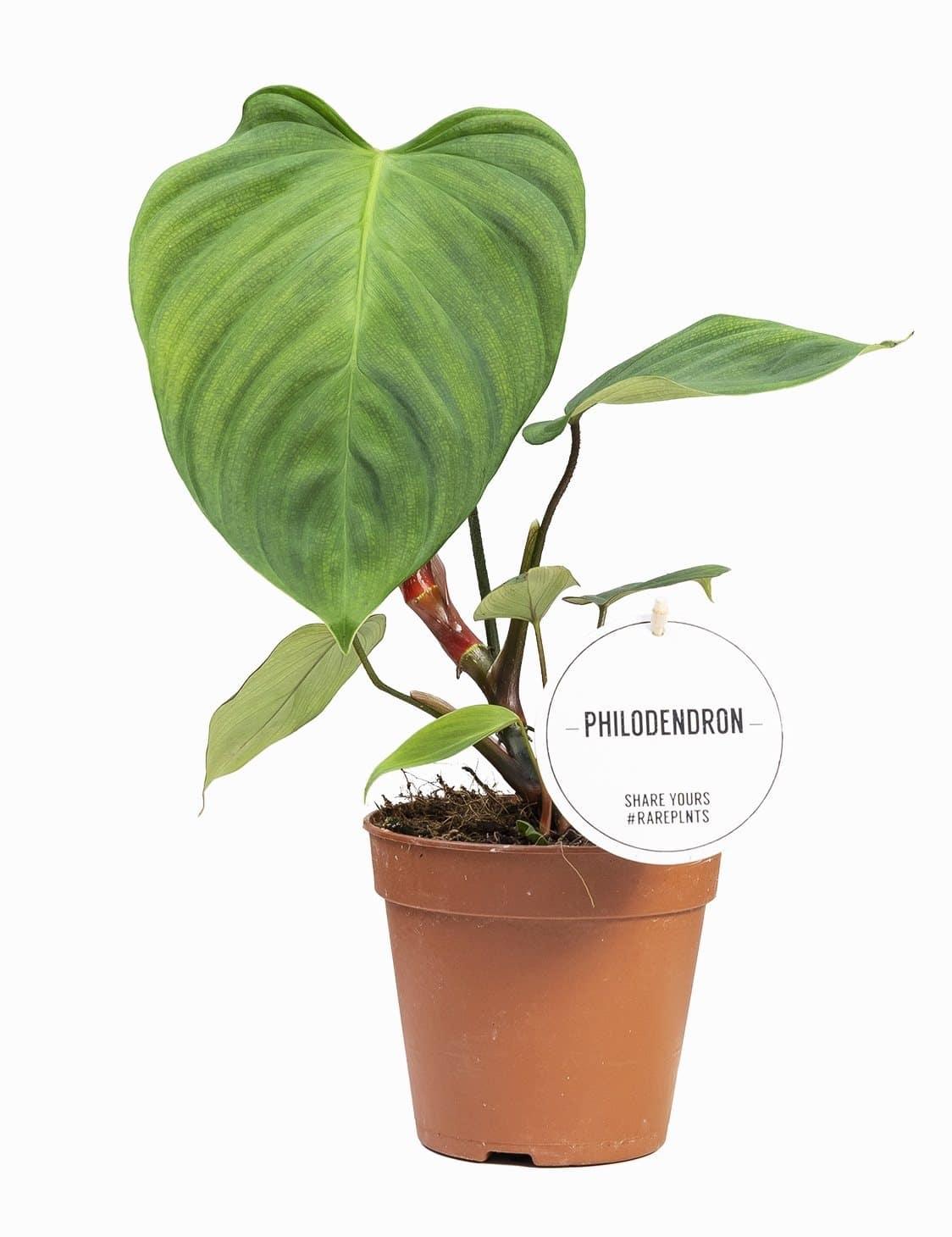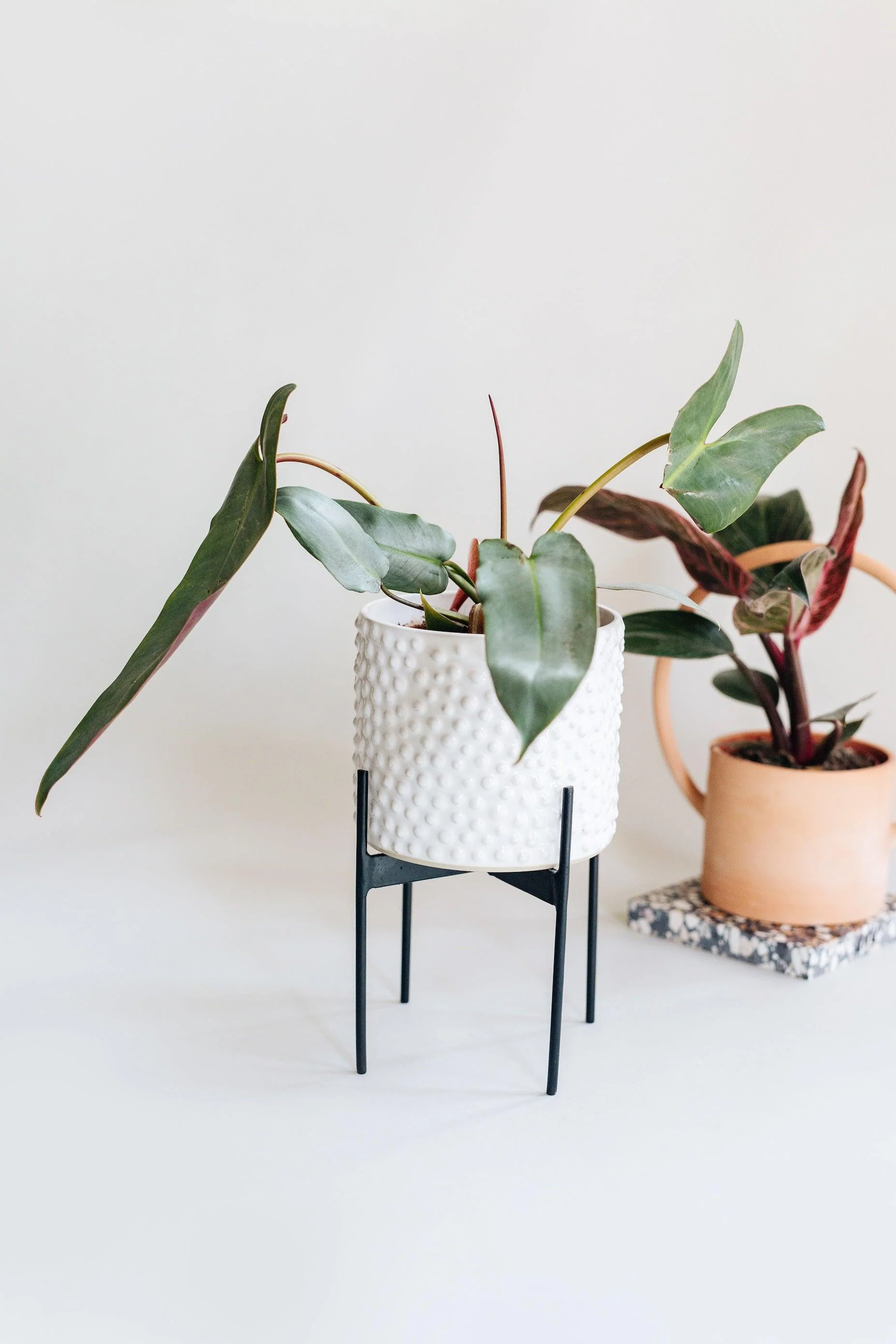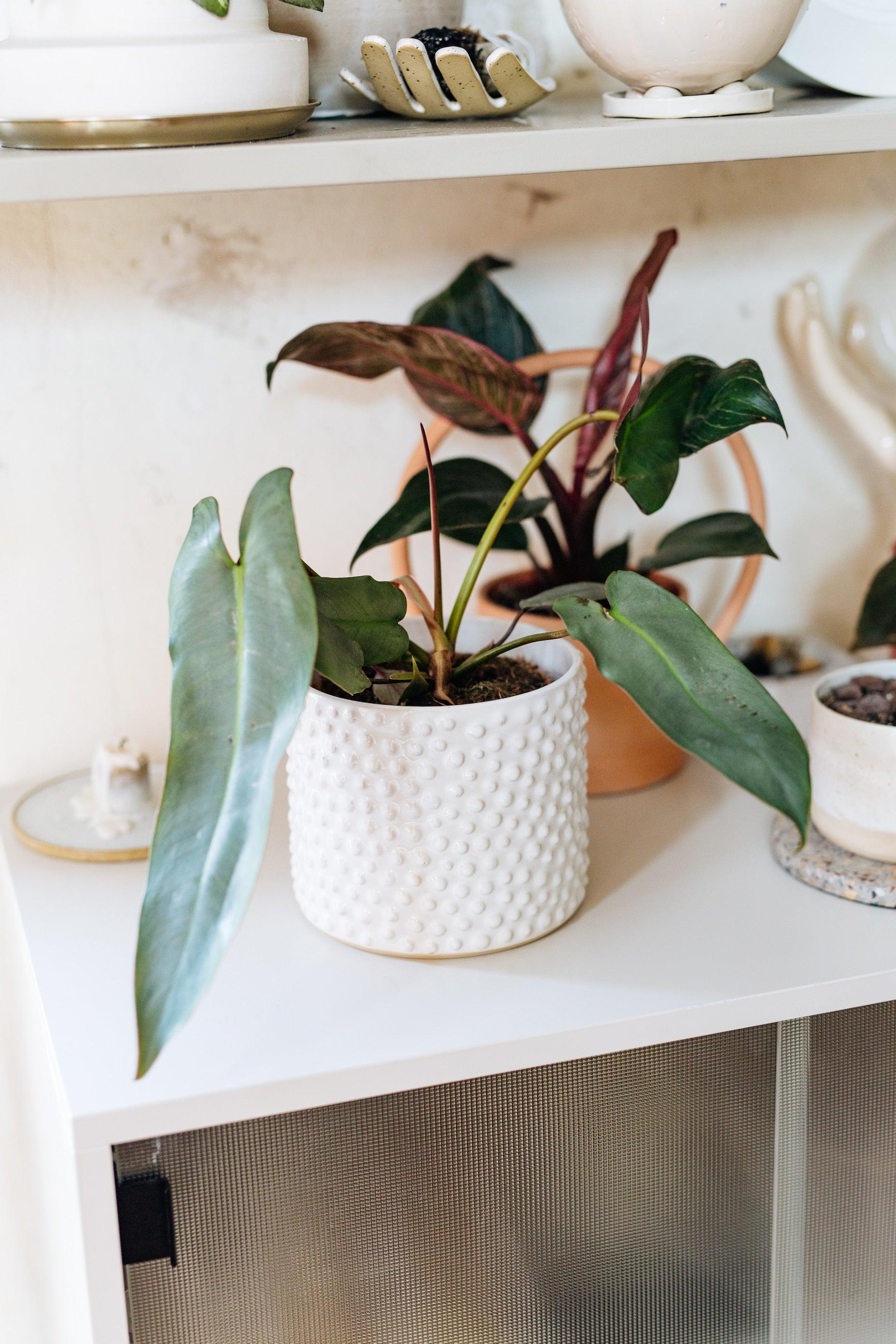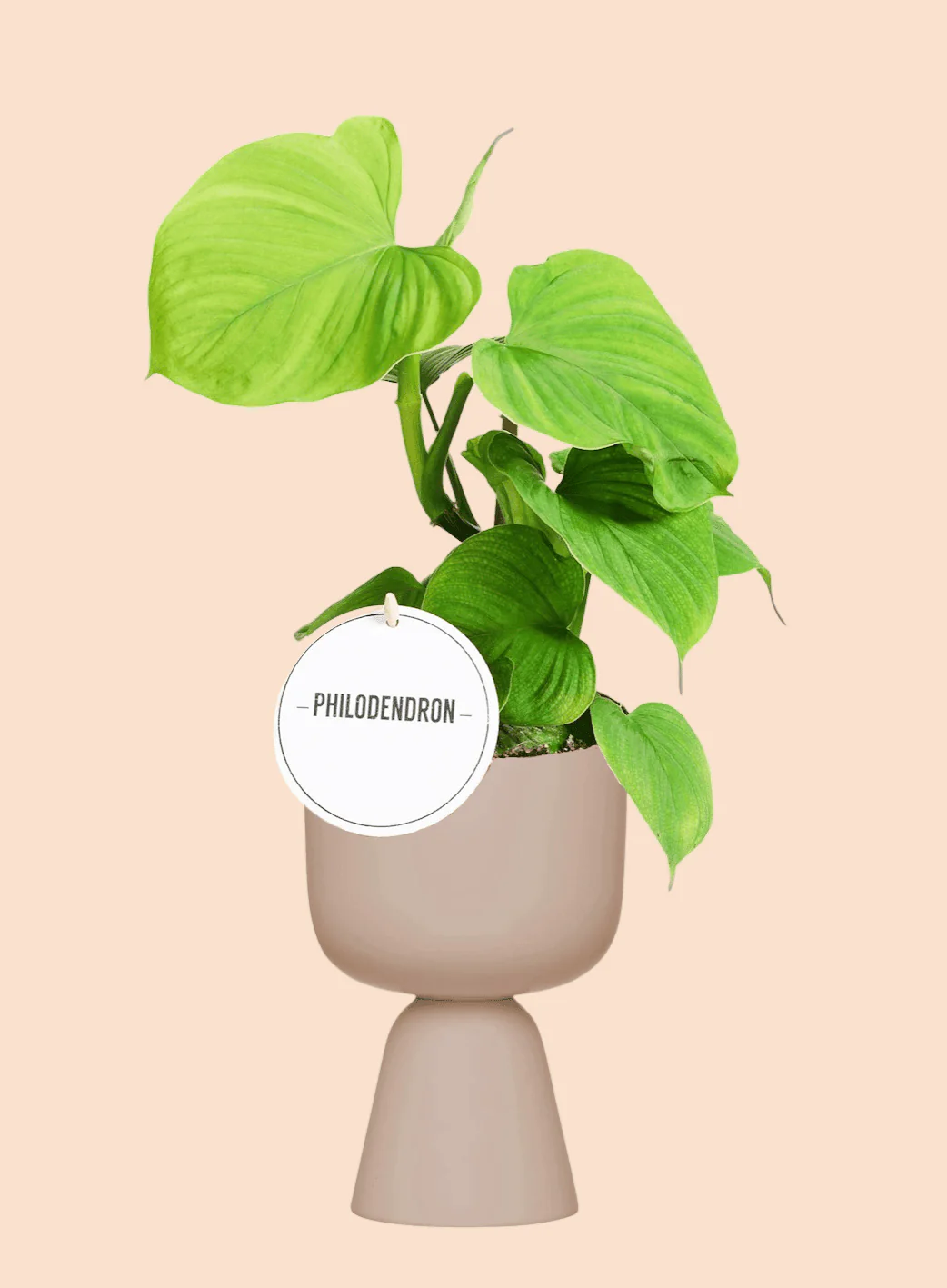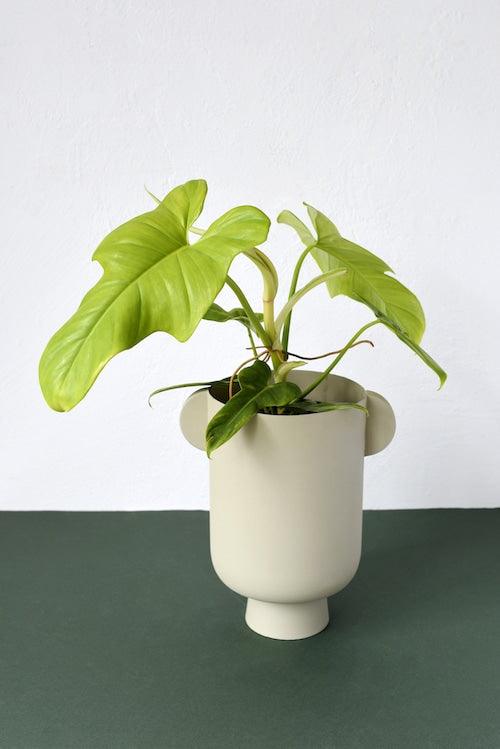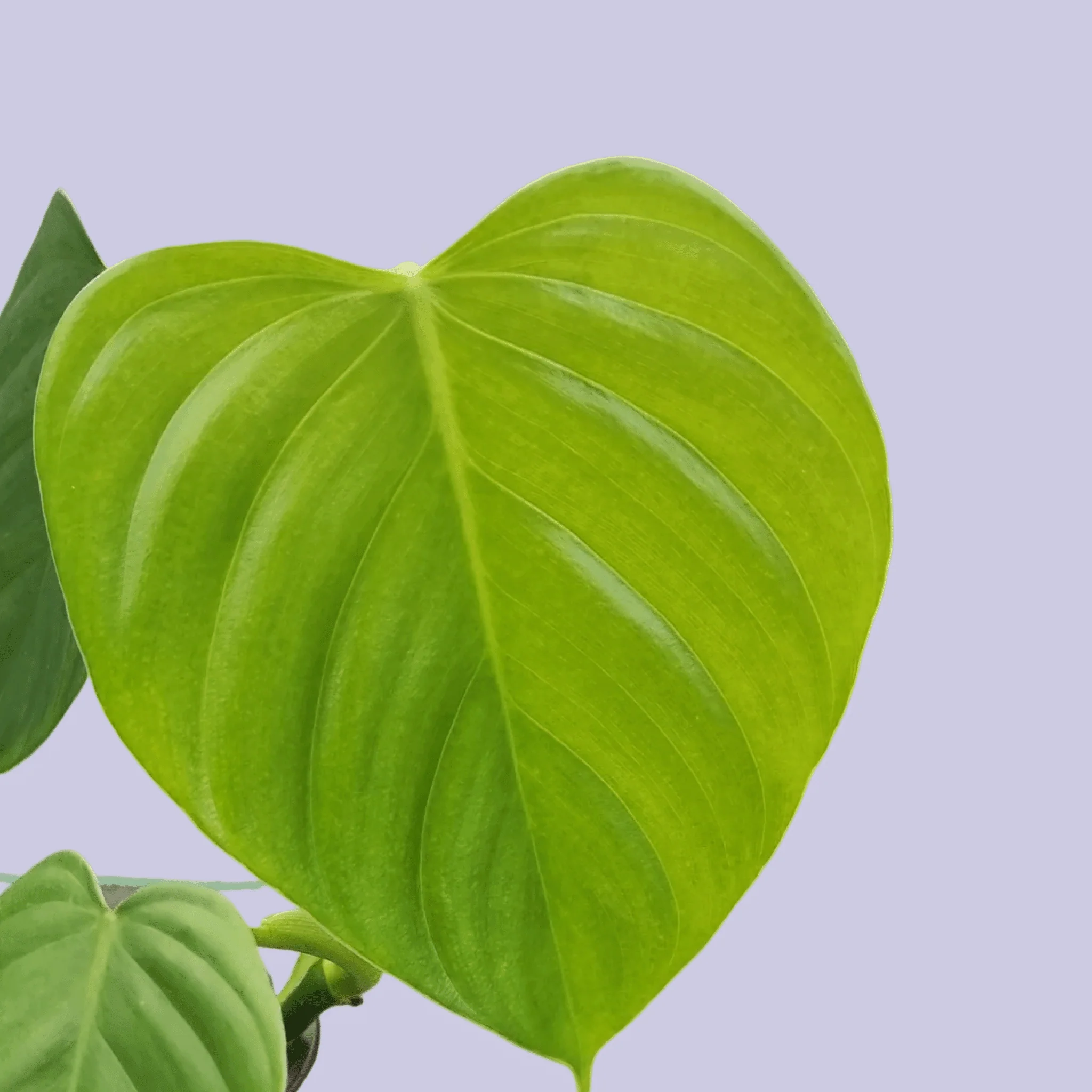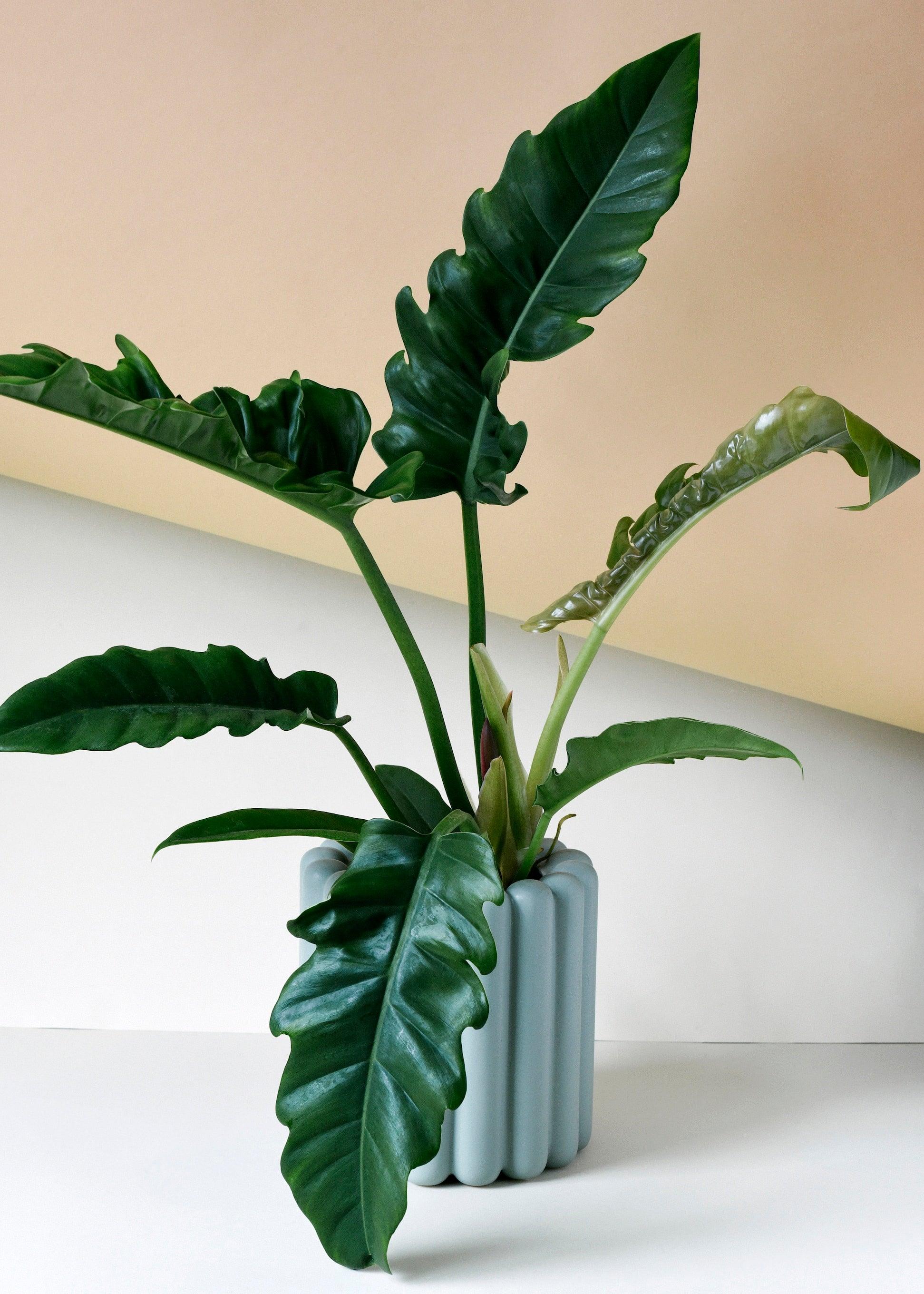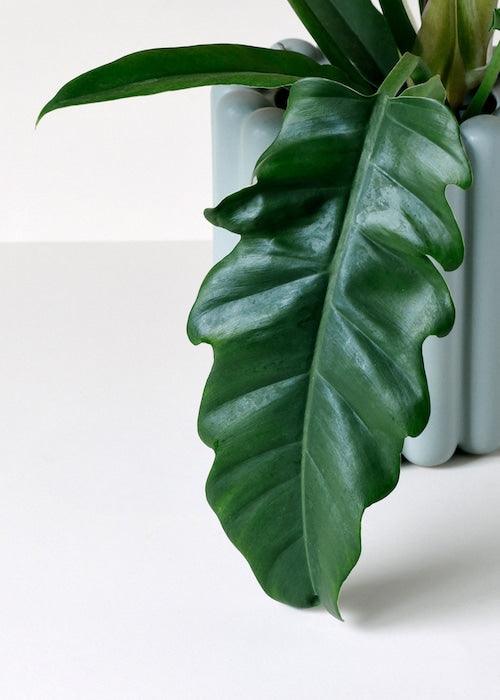
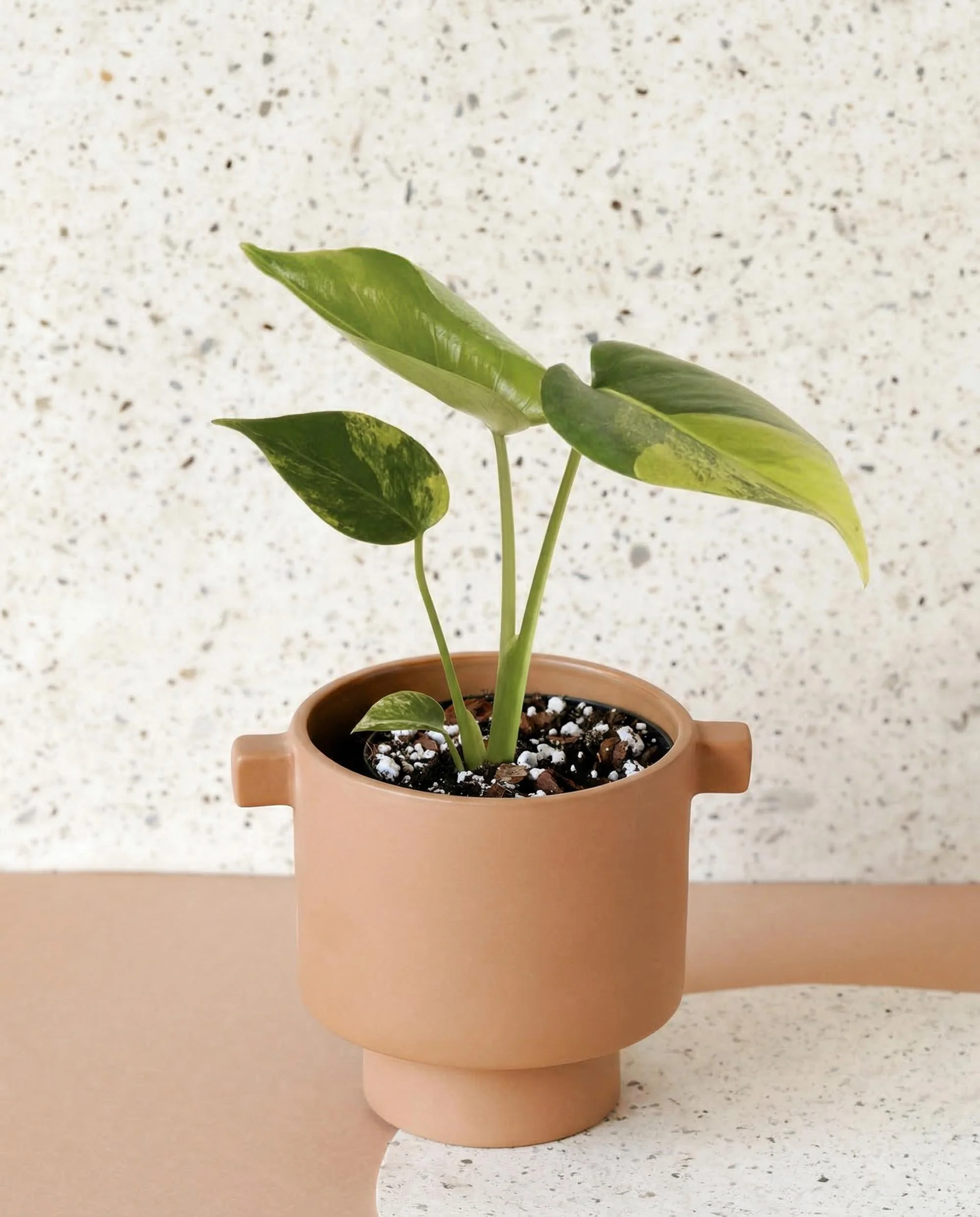
Monstera deliciosa 'Variegata Aurea' Baby
Liquid gold leaves in a rare, baby-sized treasure
Monstera deliciosa 'Variegata Aurea' | Fast EU shipping | Grown with love in the EU
Summary: The Monstera deliciosa ‘Variegata Aurea’ Baby P6 H20 is a rare collector’s gem, flaunting luminous golden variegation on fresh green leaves. Compact yet full of tropical charm, it’s the perfect statement plant for stylish indoor spaces in European homes and German apartments.
✨ Why You'll Love the Monstera deliciosa 'Variegata Aurea'
- Striking yellow-gold variegation—each leaf is uniquely patterned
- Rare and highly sought-after collector’s Monstera
- Compact baby size—ideal for shelves, desks, or plant cabinets
- Grows into a dramatic climbing statement plant over time
- Perfect for bright indoor spots in European homes
- Pot size: P6
- Approximate height: 20 cm
- Growth habit: Climbing aroid
🌞 Light & Placement
This variegated beauty thrives in bright, indirect light. Due to its reduced chlorophyll, it requires more light than non-variegated Monsteras to maintain healthy growth and vibrant coloration.
Place it near an east- or west-facing window, or a few meters from a south-facing window with filtered light. In darker German apartments, supplementing with a grow light during autumn and winter can help preserve variegation and encourage steady growth.
💧 Water & Humidity
Water when the top 2–3 cm of soil feels dry. Keep the soil lightly moist but never waterlogged, as root rot can develop quickly in overly wet conditions.
It adapts well to typical indoor humidity levels in European homes but thrives with moderate to high humidity. During dry winter months with indoor heating, consider increasing humidity with a humidifier or grouping plants together.
🪴 Soil & Potting
Use a well-draining, chunky aroid mix—such as potting soil combined with orchid bark, perlite, and coco chips. This ensures airflow to the roots and prevents excess moisture buildup.
Keep it in its P6 pot until roots are well established. Avoid overpotting, and always use a container with drainage holes to support healthy root development.
🐾 Toxicity & Safety
Not pet-safe. Like all Monsteras, Monstera deliciosa ‘Variegata Aurea’ contains calcium oxalate crystals and is toxic if ingested. Keep away from pets and small children.
🌱 Growth & Propagation
This plant begins small but has the potential to develop into a large, climbing tropical centerpiece. As it matures, leaves can become bigger and may develop iconic fenestrations under optimal conditions.
Support it with a moss pole as it grows to encourage vertical climbing and larger leaf development. Propagation is possible via node cuttings, but only mature stems with visible nodes can be successfully propagated.
📆 Seasonal & Special Care
Feed monthly during spring and summer with a diluted, balanced liquid fertilizer to support growth. Reduce feeding and watering during the darker winter months common in Europe.
Variegated Monsteras grow more slowly, so patience is key. Stable warmth and bright light are essential, especially during colder seasons in German climates.
🐛 Common Issues
- Yellowing leaves: Often due to overwatering or poor drainage
- Brown edges: Caused by dry air, underwatering, or too much direct sun
- Slow growth: Typically linked to insufficient light
- Fading variegation: Can occur in low-light conditions
- Pests: Watch for spider mites, thrips, and mealybugs
🧬 Botanical Background
Monstera deliciosa is native to tropical regions of Central America and is known for its climbing growth habit and iconic split leaves. The cultivar ‘Variegata Aurea’ is particularly prized for its golden-yellow variegation, making each plant a one-of-a-kind living artwork highly valued by collectors.
🛒 Ready to transform your home into a jungle paradise?
Add Monstera deliciosa 'Variegata Aurea' to your cart and enjoy fast, secure shipping across Germany and the EU!
Product Information
Product Information
Shipping & Returns
Shipping & Returns
Description
Liquid gold leaves in a rare, baby-sized treasure
Monstera deliciosa 'Variegata Aurea' | Fast EU shipping | Grown with love in the EU
Summary: The Monstera deliciosa ‘Variegata Aurea’ Baby P6 H20 is a rare collector’s gem, flaunting luminous golden variegation on fresh green leaves. Compact yet full of tropical charm, it’s the perfect statement plant for stylish indoor spaces in European homes and German apartments.
✨ Why You'll Love the Monstera deliciosa 'Variegata Aurea'
- Striking yellow-gold variegation—each leaf is uniquely patterned
- Rare and highly sought-after collector’s Monstera
- Compact baby size—ideal for shelves, desks, or plant cabinets
- Grows into a dramatic climbing statement plant over time
- Perfect for bright indoor spots in European homes
- Pot size: P6
- Approximate height: 20 cm
- Growth habit: Climbing aroid
🌞 Light & Placement
This variegated beauty thrives in bright, indirect light. Due to its reduced chlorophyll, it requires more light than non-variegated Monsteras to maintain healthy growth and vibrant coloration.
Place it near an east- or west-facing window, or a few meters from a south-facing window with filtered light. In darker German apartments, supplementing with a grow light during autumn and winter can help preserve variegation and encourage steady growth.
💧 Water & Humidity
Water when the top 2–3 cm of soil feels dry. Keep the soil lightly moist but never waterlogged, as root rot can develop quickly in overly wet conditions.
It adapts well to typical indoor humidity levels in European homes but thrives with moderate to high humidity. During dry winter months with indoor heating, consider increasing humidity with a humidifier or grouping plants together.
🪴 Soil & Potting
Use a well-draining, chunky aroid mix—such as potting soil combined with orchid bark, perlite, and coco chips. This ensures airflow to the roots and prevents excess moisture buildup.
Keep it in its P6 pot until roots are well established. Avoid overpotting, and always use a container with drainage holes to support healthy root development.
🐾 Toxicity & Safety
Not pet-safe. Like all Monsteras, Monstera deliciosa ‘Variegata Aurea’ contains calcium oxalate crystals and is toxic if ingested. Keep away from pets and small children.
🌱 Growth & Propagation
This plant begins small but has the potential to develop into a large, climbing tropical centerpiece. As it matures, leaves can become bigger and may develop iconic fenestrations under optimal conditions.
Support it with a moss pole as it grows to encourage vertical climbing and larger leaf development. Propagation is possible via node cuttings, but only mature stems with visible nodes can be successfully propagated.
📆 Seasonal & Special Care
Feed monthly during spring and summer with a diluted, balanced liquid fertilizer to support growth. Reduce feeding and watering during the darker winter months common in Europe.
Variegated Monsteras grow more slowly, so patience is key. Stable warmth and bright light are essential, especially during colder seasons in German climates.
🐛 Common Issues
- Yellowing leaves: Often due to overwatering or poor drainage
- Brown edges: Caused by dry air, underwatering, or too much direct sun
- Slow growth: Typically linked to insufficient light
- Fading variegation: Can occur in low-light conditions
- Pests: Watch for spider mites, thrips, and mealybugs
🧬 Botanical Background
Monstera deliciosa is native to tropical regions of Central America and is known for its climbing growth habit and iconic split leaves. The cultivar ‘Variegata Aurea’ is particularly prized for its golden-yellow variegation, making each plant a one-of-a-kind living artwork highly valued by collectors.
🛒 Ready to transform your home into a jungle paradise?
Add Monstera deliciosa 'Variegata Aurea' to your cart and enjoy fast, secure shipping across Germany and the EU!