Ficus Lyrata (Fiddle Fig) XL
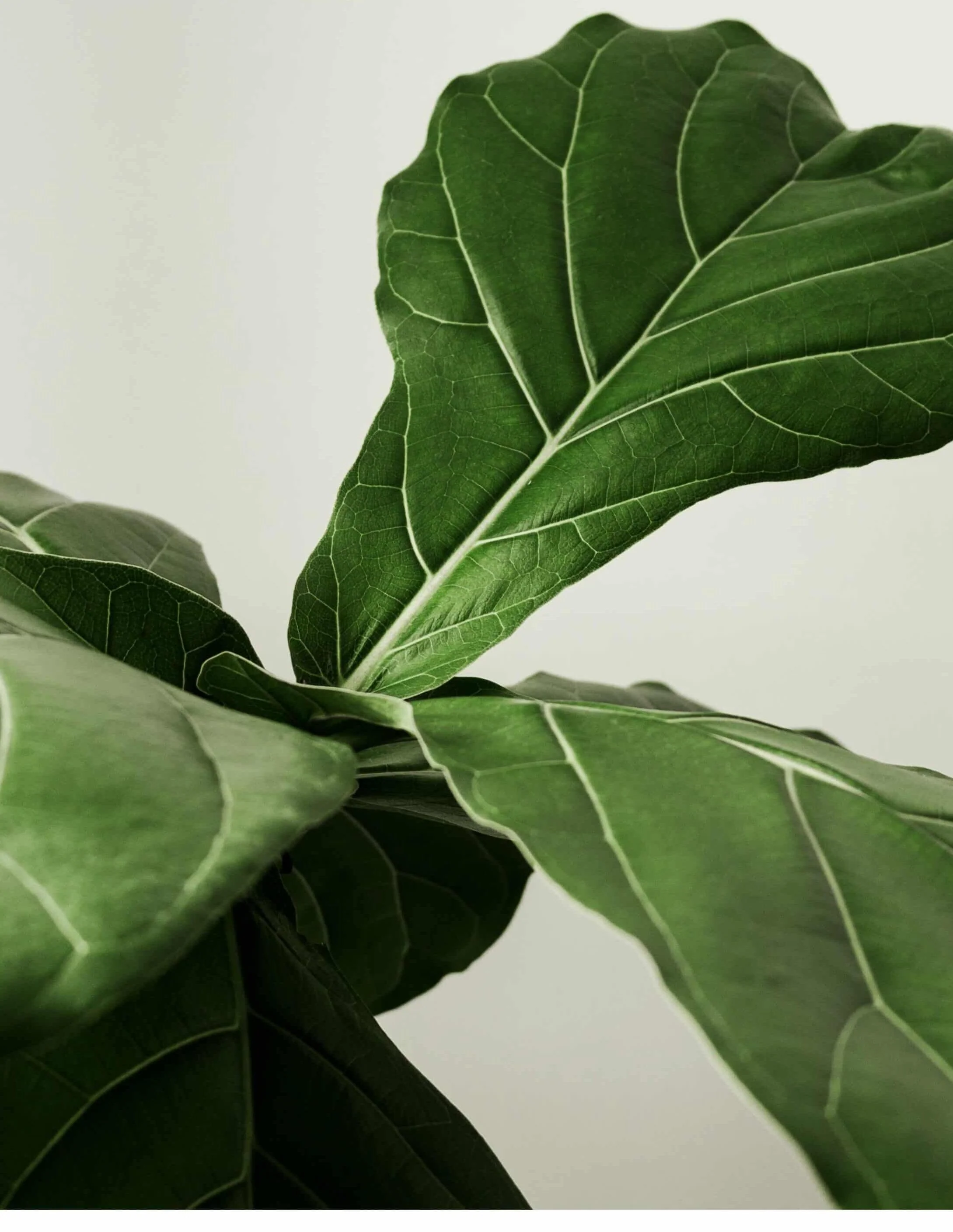
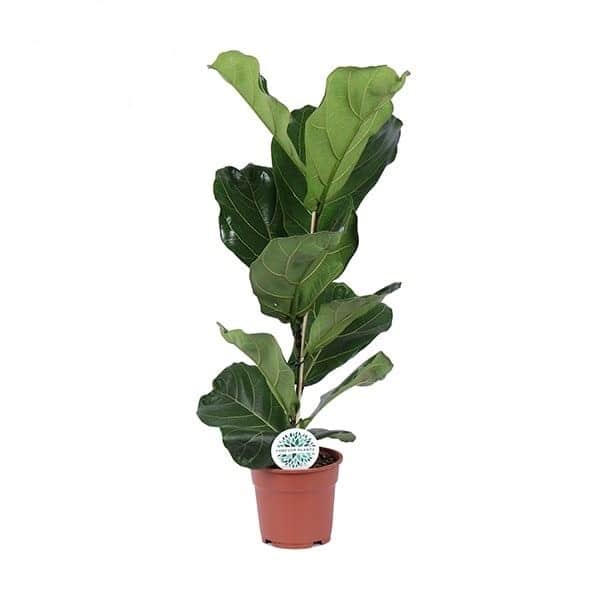
XL Fiddle Leaf Fig – Bold Height, Effortless Elegance 🌿
Ficus Lyrata (Fiddle Leaf Fig) XL | Fast EU shipping | Grown with love in the EU | Not pet-safe
Summary: Standing tall at approximately 110 cm, this Ficus Lyrata XL (P21) delivers dramatic, violin-shaped leaves and a sculptural silhouette—perfect for bright German apartments craving a lush, modern statement plant.
✨ Why You'll Love the Ficus Lyrata XL
- Impressive height: Approx. 110 cm tall for instant impact
- Elegant form: Upright growth with large, glossy fiddle-shaped leaves
- Perfect for European homes: Adds vertical greenery without overwhelming your space
- Interior favourite: A must-have for modern, Scandinavian, and minimalist styling
- Quick stats: Pot size P21 • Height ~110 cm • Moderate growth rate
- EU-grown quality: Carefully cultivated and shipped fast across Germany and the EU
🌞 Light & Placement
Bright, indirect light is essential. Place near an east or west-facing window. In Germany’s darker autumn and winter months, a bright south-facing position (without harsh midday sun) helps maintain healthy growth.
- Avoid cold drafts and sudden temperature changes
- Keep away from radiators during heating season
- Choose a consistent spot—Ficus prefers stability
💧 Water & Humidity
Water thoroughly once the top 4–5 cm of soil feels dry. Always allow excess water to drain completely.
- Typically weekly in spring/summer
- Every 10–14 days in winter, depending on light
- Prefers moderate humidity (40–60%)
- Benefits from a humidifier in dry European indoor climates
🪴 Soil & Potting
Use a well-draining, airy substrate—high-quality houseplant soil enriched with perlite and bark is ideal. Ensure the pot has drainage holes.
- Repot every 1–2 years in spring
- Refresh the top layer of soil annually
- Choose a heavy decorative pot for stability as it grows taller
🐾 Toxicity & Safety
Not pet-safe. The milky sap (latex) can cause irritation if ingested by cats or dogs and may irritate sensitive skin. Keep out of reach of pets and wash hands after pruning.
🌱 Growth & Propagation
- Growth habit: Upright indoor tree form
- Indoor potential: Can reach 2 meters or more with optimal light
- Propagation: Stem cuttings in water or moist substrate (best in spring/summer)
- Pruning: Encourages branching and fuller growth
📆 Seasonal & Special Care
Feed monthly from March to September with a balanced liquid fertilizer. Reduce feeding during winter dormancy. Wipe leaves regularly to remove dust and maximise light absorption—especially important during darker European seasons.
- Allow acclimation after delivery before repotting
- Monitor watering carefully in low-light winter months
🐛 Common Issues
- Leaf drop: Often caused by drafts, relocation, or overwatering
- Brown spots: Inconsistent watering or root stress
- Yellow leaves: Typically overwatering
- Spider mites: More common in dry indoor air
🧬 Botanical Background
Native to West Africa, Ficus lyrata belongs to the Moraceae family. In nature it grows into a towering canopy tree, while indoors it adapts beautifully to bright European living spaces—making it one of the most iconic indoor plants for German apartments.
🛒 Ready to transform your home into a jungle paradise?
Add Ficus Lyrata (Fiddle Leaf Fig) XL to your cart and enjoy fast, secure shipping across Germany and the EU!
Original: $55.42
-70%$55.42
$16.63Product Information
Product Information
Shipping & Returns
Shipping & Returns
Description
XL Fiddle Leaf Fig – Bold Height, Effortless Elegance 🌿
Ficus Lyrata (Fiddle Leaf Fig) XL | Fast EU shipping | Grown with love in the EU | Not pet-safe
Summary: Standing tall at approximately 110 cm, this Ficus Lyrata XL (P21) delivers dramatic, violin-shaped leaves and a sculptural silhouette—perfect for bright German apartments craving a lush, modern statement plant.
✨ Why You'll Love the Ficus Lyrata XL
- Impressive height: Approx. 110 cm tall for instant impact
- Elegant form: Upright growth with large, glossy fiddle-shaped leaves
- Perfect for European homes: Adds vertical greenery without overwhelming your space
- Interior favourite: A must-have for modern, Scandinavian, and minimalist styling
- Quick stats: Pot size P21 • Height ~110 cm • Moderate growth rate
- EU-grown quality: Carefully cultivated and shipped fast across Germany and the EU
🌞 Light & Placement
Bright, indirect light is essential. Place near an east or west-facing window. In Germany’s darker autumn and winter months, a bright south-facing position (without harsh midday sun) helps maintain healthy growth.
- Avoid cold drafts and sudden temperature changes
- Keep away from radiators during heating season
- Choose a consistent spot—Ficus prefers stability
💧 Water & Humidity
Water thoroughly once the top 4–5 cm of soil feels dry. Always allow excess water to drain completely.
- Typically weekly in spring/summer
- Every 10–14 days in winter, depending on light
- Prefers moderate humidity (40–60%)
- Benefits from a humidifier in dry European indoor climates
🪴 Soil & Potting
Use a well-draining, airy substrate—high-quality houseplant soil enriched with perlite and bark is ideal. Ensure the pot has drainage holes.
- Repot every 1–2 years in spring
- Refresh the top layer of soil annually
- Choose a heavy decorative pot for stability as it grows taller
🐾 Toxicity & Safety
Not pet-safe. The milky sap (latex) can cause irritation if ingested by cats or dogs and may irritate sensitive skin. Keep out of reach of pets and wash hands after pruning.
🌱 Growth & Propagation
- Growth habit: Upright indoor tree form
- Indoor potential: Can reach 2 meters or more with optimal light
- Propagation: Stem cuttings in water or moist substrate (best in spring/summer)
- Pruning: Encourages branching and fuller growth
📆 Seasonal & Special Care
Feed monthly from March to September with a balanced liquid fertilizer. Reduce feeding during winter dormancy. Wipe leaves regularly to remove dust and maximise light absorption—especially important during darker European seasons.
- Allow acclimation after delivery before repotting
- Monitor watering carefully in low-light winter months
🐛 Common Issues
- Leaf drop: Often caused by drafts, relocation, or overwatering
- Brown spots: Inconsistent watering or root stress
- Yellow leaves: Typically overwatering
- Spider mites: More common in dry indoor air
🧬 Botanical Background
Native to West Africa, Ficus lyrata belongs to the Moraceae family. In nature it grows into a towering canopy tree, while indoors it adapts beautifully to bright European living spaces—making it one of the most iconic indoor plants for German apartments.
🛒 Ready to transform your home into a jungle paradise?
Add Ficus Lyrata (Fiddle Leaf Fig) XL to your cart and enjoy fast, secure shipping across Germany and the EU!