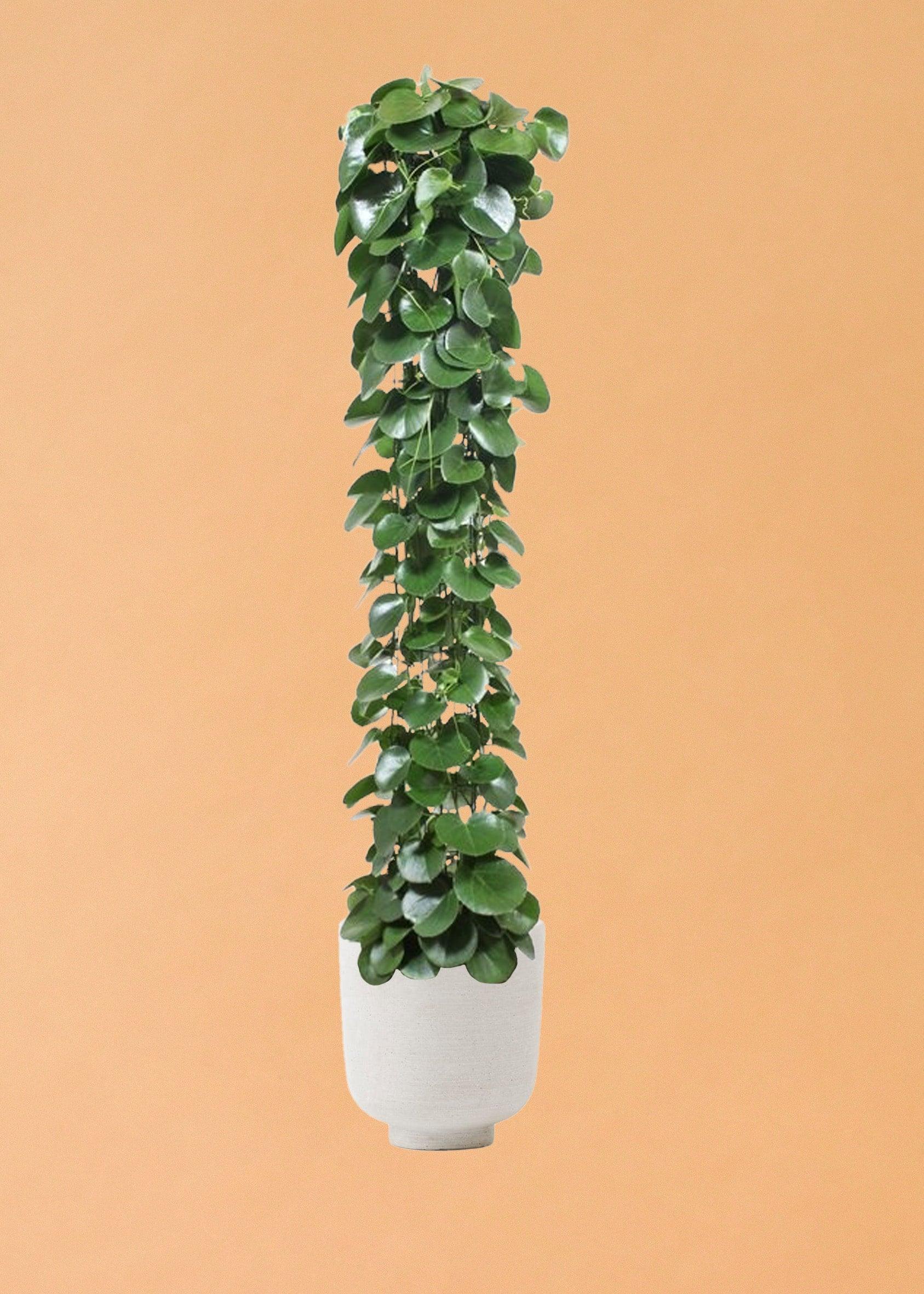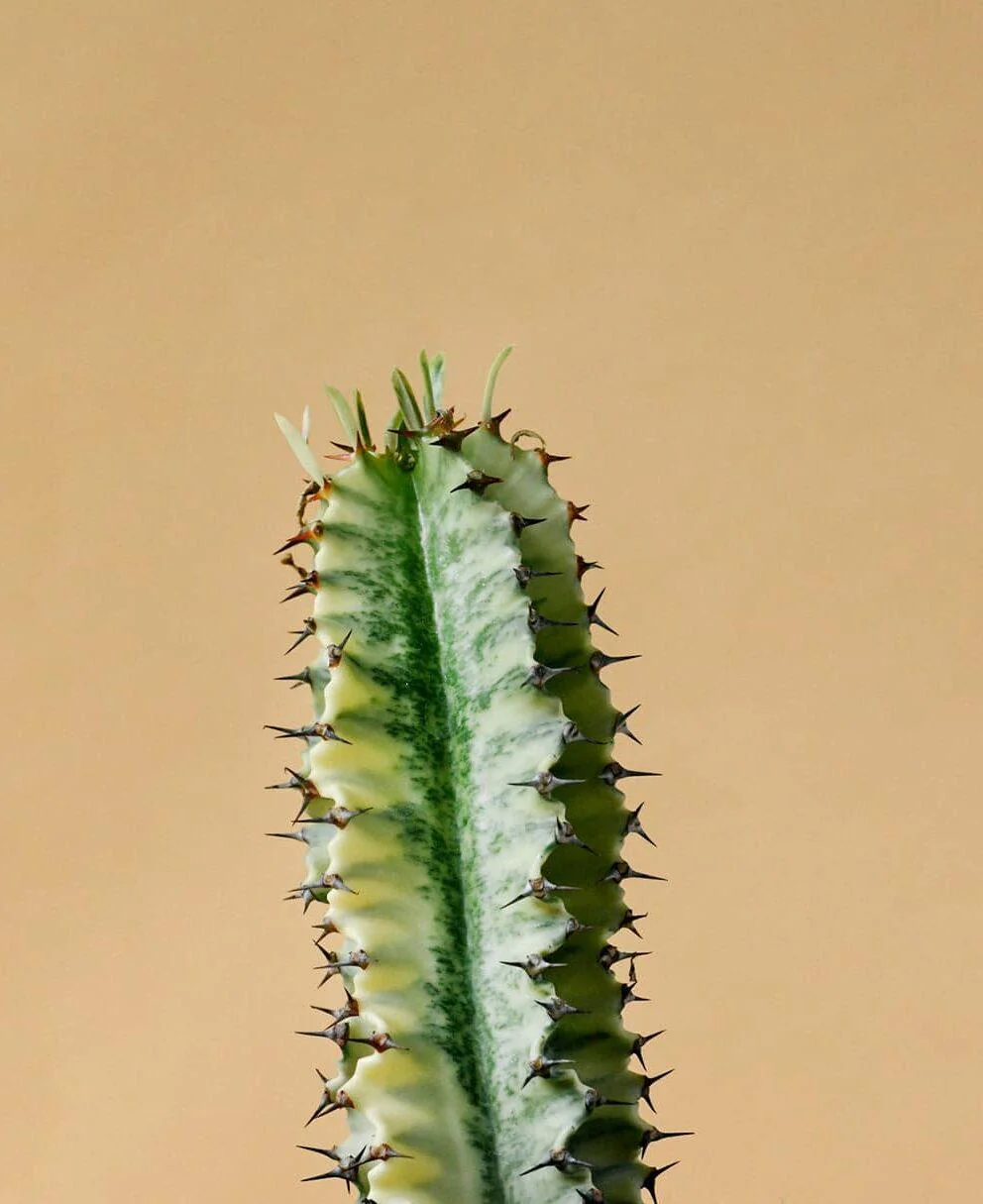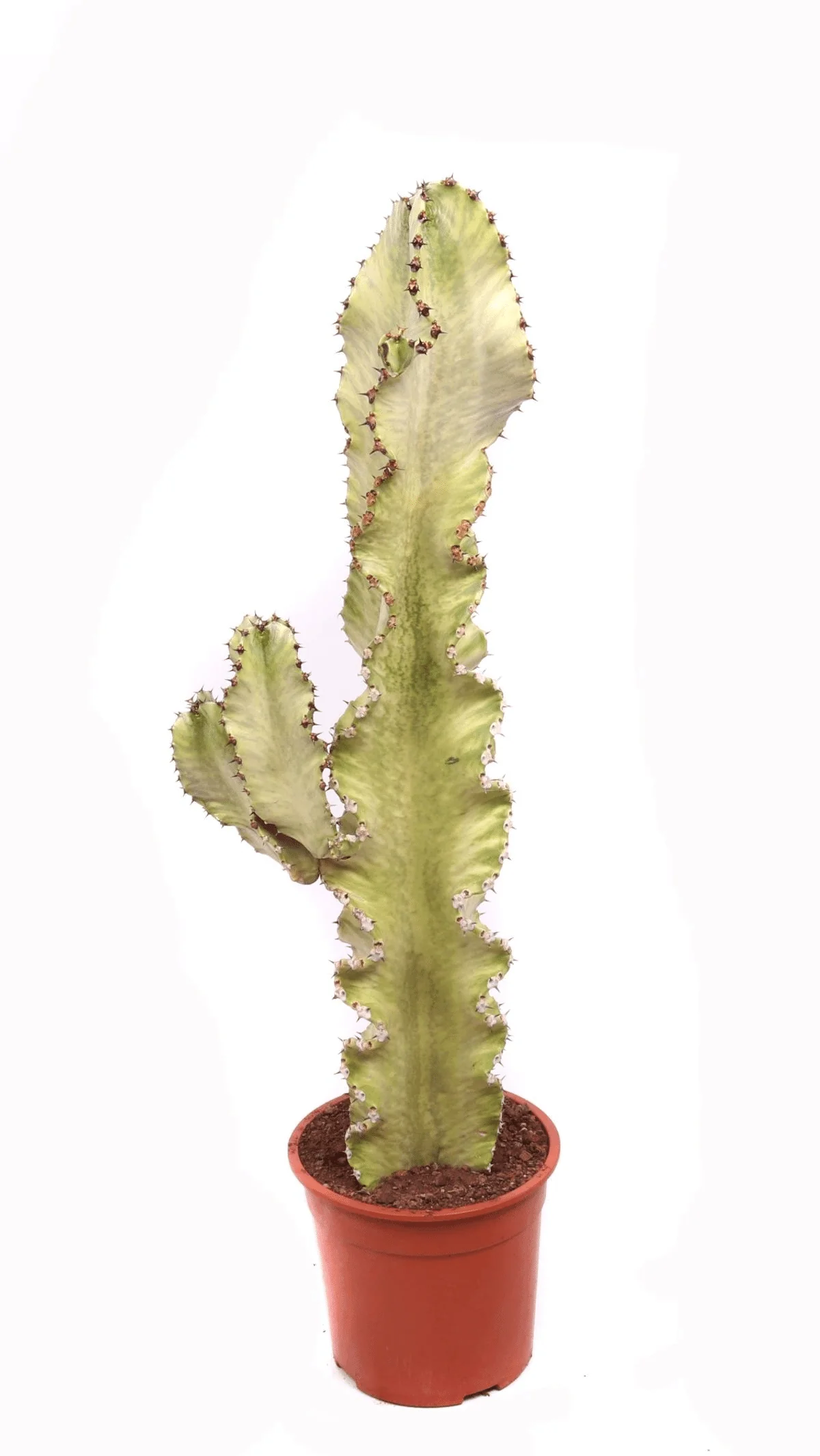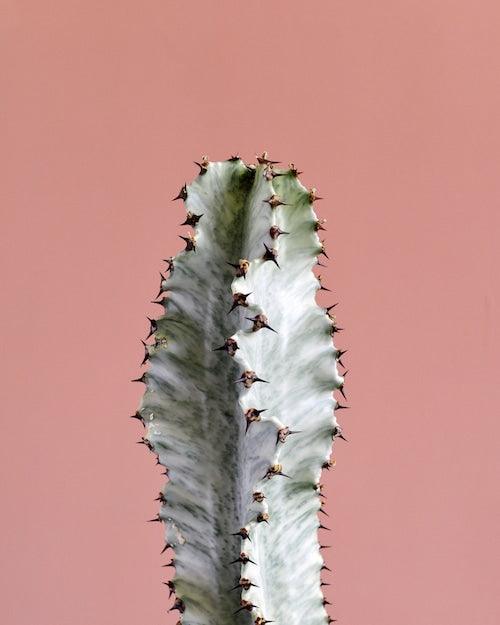
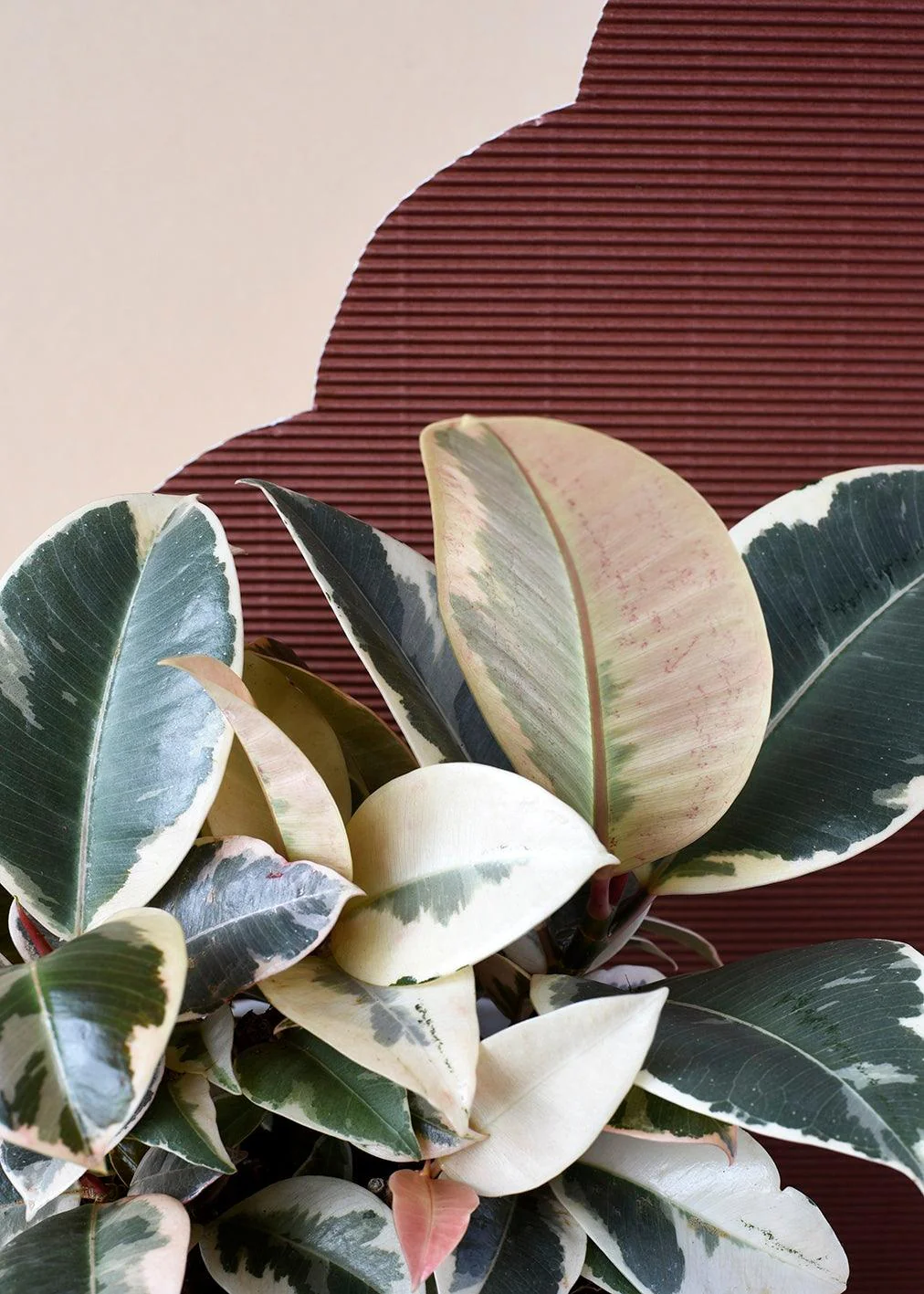
Ficus Elastica 'Tineke' Large
A Splash of Soft Elegance for Your Home
Ficus elastica ‘Tineke’ | Fast EU shipping | Grown with love in the EU | Pet‑safe: no
Summary: With creamy and blush‑pink variegated leaves framed in glossy green, this classic rubber plant elevates any German apartment with its elegant presence and easy-care nature.
✨ Why You'll Love Ficus elastica ‘Tineke’
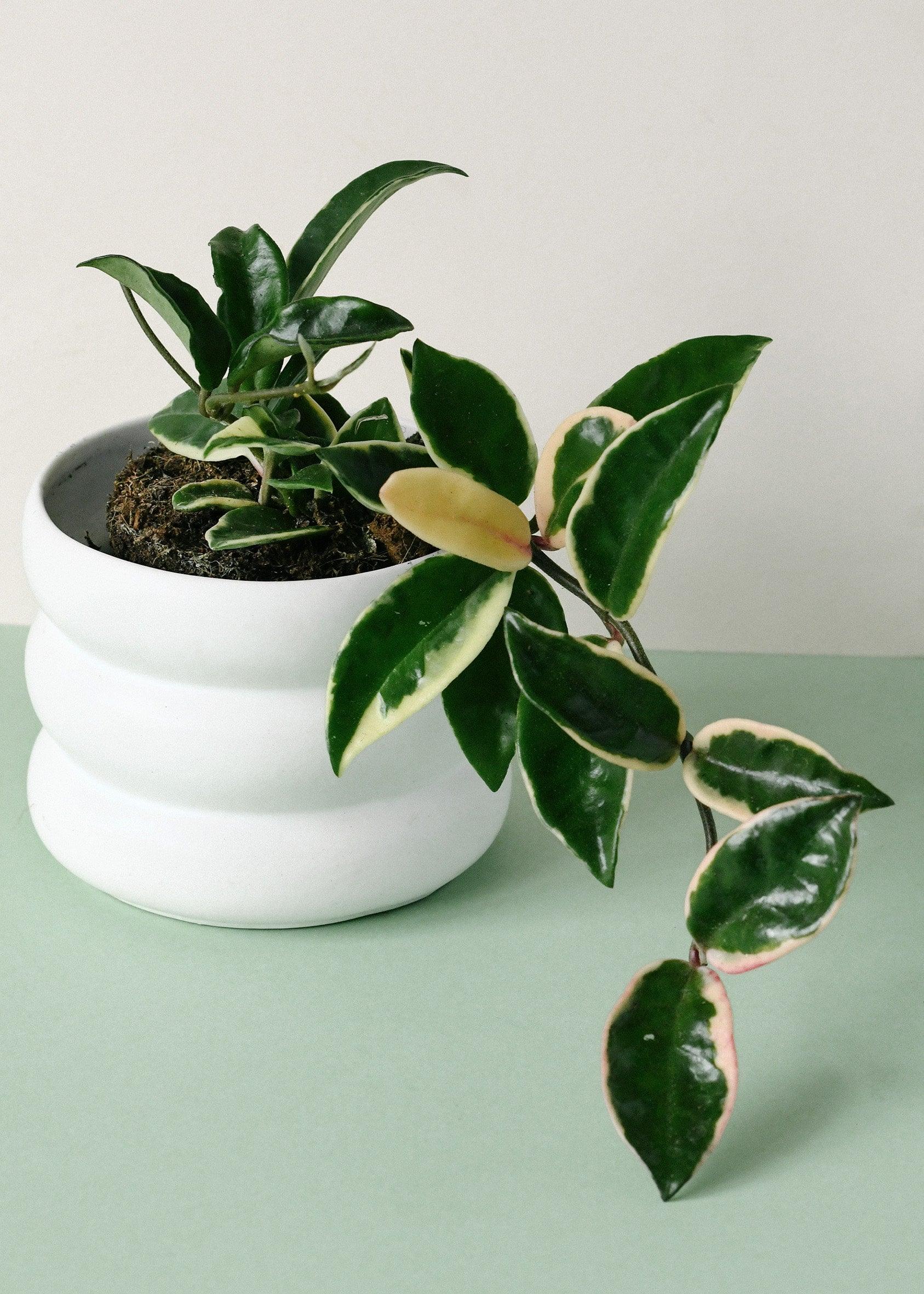
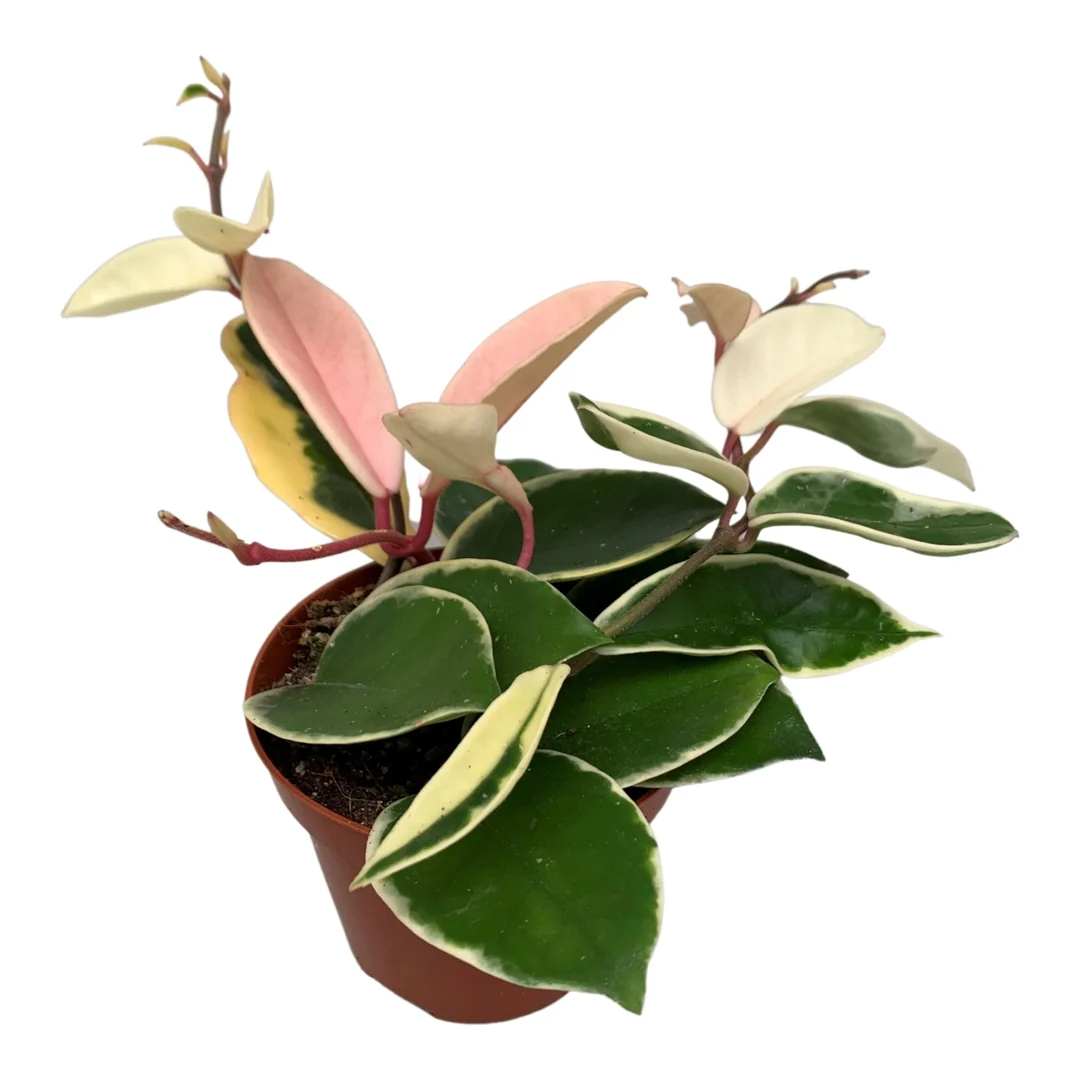
- Striking foliage—large oval leaves with lively cream and pink variegation turn your indoor space into a serene gallery.
- Low-maintenance charm: thrives in moderate conditions and adapts well to European home environments.
- Air-purifying—helps filter indoor toxins like formaldehyde for healthier living.
- Perfect size for apartments—grows steadily up to ~2 m indoors without overwhelming your space.
🌞 Light & Placement
Place in bright, indirect light—an east-facing window or near a filtered south/west window works best. Avoid harsh direct sun that can scorch leaves; too little light dulls the vibrant variegation.
💧 Water & Humidity
Water when the top 2–5 cm of soil are dry—typically every 1–2 weeks depending on light and season. Overwatering leads to root rot; underwatering may drop leaves. Regular misting or a humidity tray helps during dry European winters.
🪴 Soil & Potting
Use a well-draining, slightly acidic mix—standard potting soil with perlite or a cactus blend works well. Repot every 1–2 years when roots emerge from drainage holes. Choose a pot just a little larger than the current root ball.
🐾 Toxicity & Safety
Not pet-safe: Contains latex that can irritate skin and is toxic if ingested by pets or humans. Place out of reach to keep furry friends safe.
🌱 Growth & Propagation
Expect steady growth—up to 60 cm per year indoors, reaching around 3 m over time with ideal care. Propagate easily via spring stem cuttings—prune a healthy stem and root it in a moist medium.
📆 Seasonal & Special Care
During spring and summer, feed every few weeks with diluted liquid fertilizer. In fall and winter, reduce feeding and watering. Clean leaves occasionally to maintain shine and reduce dust.
🐛 Common Issues
- Yellow leaves: Often due to overwatering or cold drafts.
- Brown tips: Usually from too much direct sun—move to filtered light.
- Pests: Watch for scale, mealybugs, mites, or aphids—treat early with neem oil or insecticidal soap.
🧬 Botanical Background
Ficus elastica is native to Southeast Asia but has become a beloved ornamental houseplant worldwide. The ‘Tineke’ cultivar stands out for its creamy-pink variegation and shiny, wax-coated leaves. As a tropical evergreen in the Moraceae family, it was once tapped for latex before Hevea brasiliensis became the primary rubber source.
🛒 Ready to transform your home into a jungle paradise?
Add Ficus elastica ‘Tineke’ to your cart and enjoy fast, secure shipping across Germany and the EU!
Original: $25.40
-70%$25.40
$7.62Product Information
Product Information
Shipping & Returns
Shipping & Returns
Description
A Splash of Soft Elegance for Your Home
Ficus elastica ‘Tineke’ | Fast EU shipping | Grown with love in the EU | Pet‑safe: no
Summary: With creamy and blush‑pink variegated leaves framed in glossy green, this classic rubber plant elevates any German apartment with its elegant presence and easy-care nature.
✨ Why You'll Love Ficus elastica ‘Tineke’
- Striking foliage—large oval leaves with lively cream and pink variegation turn your indoor space into a serene gallery.
- Low-maintenance charm: thrives in moderate conditions and adapts well to European home environments.
- Air-purifying—helps filter indoor toxins like formaldehyde for healthier living.
- Perfect size for apartments—grows steadily up to ~2 m indoors without overwhelming your space.
🌞 Light & Placement
Place in bright, indirect light—an east-facing window or near a filtered south/west window works best. Avoid harsh direct sun that can scorch leaves; too little light dulls the vibrant variegation.
💧 Water & Humidity
Water when the top 2–5 cm of soil are dry—typically every 1–2 weeks depending on light and season. Overwatering leads to root rot; underwatering may drop leaves. Regular misting or a humidity tray helps during dry European winters.
🪴 Soil & Potting
Use a well-draining, slightly acidic mix—standard potting soil with perlite or a cactus blend works well. Repot every 1–2 years when roots emerge from drainage holes. Choose a pot just a little larger than the current root ball.
🐾 Toxicity & Safety
Not pet-safe: Contains latex that can irritate skin and is toxic if ingested by pets or humans. Place out of reach to keep furry friends safe.
🌱 Growth & Propagation
Expect steady growth—up to 60 cm per year indoors, reaching around 3 m over time with ideal care. Propagate easily via spring stem cuttings—prune a healthy stem and root it in a moist medium.
📆 Seasonal & Special Care
During spring and summer, feed every few weeks with diluted liquid fertilizer. In fall and winter, reduce feeding and watering. Clean leaves occasionally to maintain shine and reduce dust.
🐛 Common Issues
- Yellow leaves: Often due to overwatering or cold drafts.
- Brown tips: Usually from too much direct sun—move to filtered light.
- Pests: Watch for scale, mealybugs, mites, or aphids—treat early with neem oil or insecticidal soap.
🧬 Botanical Background
Ficus elastica is native to Southeast Asia but has become a beloved ornamental houseplant worldwide. The ‘Tineke’ cultivar stands out for its creamy-pink variegation and shiny, wax-coated leaves. As a tropical evergreen in the Moraceae family, it was once tapped for latex before Hevea brasiliensis became the primary rubber source.
🛒 Ready to transform your home into a jungle paradise?
Add Ficus elastica ‘Tineke’ to your cart and enjoy fast, secure shipping across Germany and the EU!